The Latin American and Caribbean Network for the Culture of Care is preparing to launch a continental campaign called “Care Unites Us” on August 3.
Continental initiative aimed at promoting safe spaces for children, adolescents, and vulnerable people, with the support and coordination of the Episcopal Commissions for the culture of care.
This network, born in 2023, articulates the efforts of various dioceses and ecclesial organizations to prevent abuse and protect vulnerable populations throughout the region.
It brings together the offices, commissions, and councils for the protection of minors from the Episcopal Conferences of the continent. Its fundamental purpose is to coordinate initiatives and unify technical criteria for pastoral prevention.
The work of the network encompasses ongoing training and the exchange of institutional experiences between countries.
Promote dignity
Pedro Brassesco, coordinator of this network, stated that this effort seeks to “promote a culture and ecclesial practices that protect the dignity and integrity of children, adolescents, and other vulnerable individuals.”
The collaborative structure includes delegates from the Latin American Episcopal Council, the Latin American Confederation of Religious, and Caritas Latin America.
“This alliance allows for the implementation of unified guidelines in parishes and grassroots ecclesial communities,” assured the Argentine priest.
Birth of the Network in Chile
The first major milestone occurred in 2023 with the initial meeting held in Chilean territory. Representatives from different episcopates debated common challenges regarding the protection of minors.
During that regional meeting, the urgency of having a permanent space for exchange was evident. As a direct result of that diagnosis, the continental network for ecclesial protection was formally born.
Additionally, at that meeting, the coordinating team was formed to energize the subregional processes. Brassesco highlighted that this initial structure allowed for the coordination of the first specialized materials and the establishment of direct communication channels between dioceses.
The first major milestone occurred in 2023 with the initial meeting held in Chilean territory.
Institutional consolidation in Bogotá
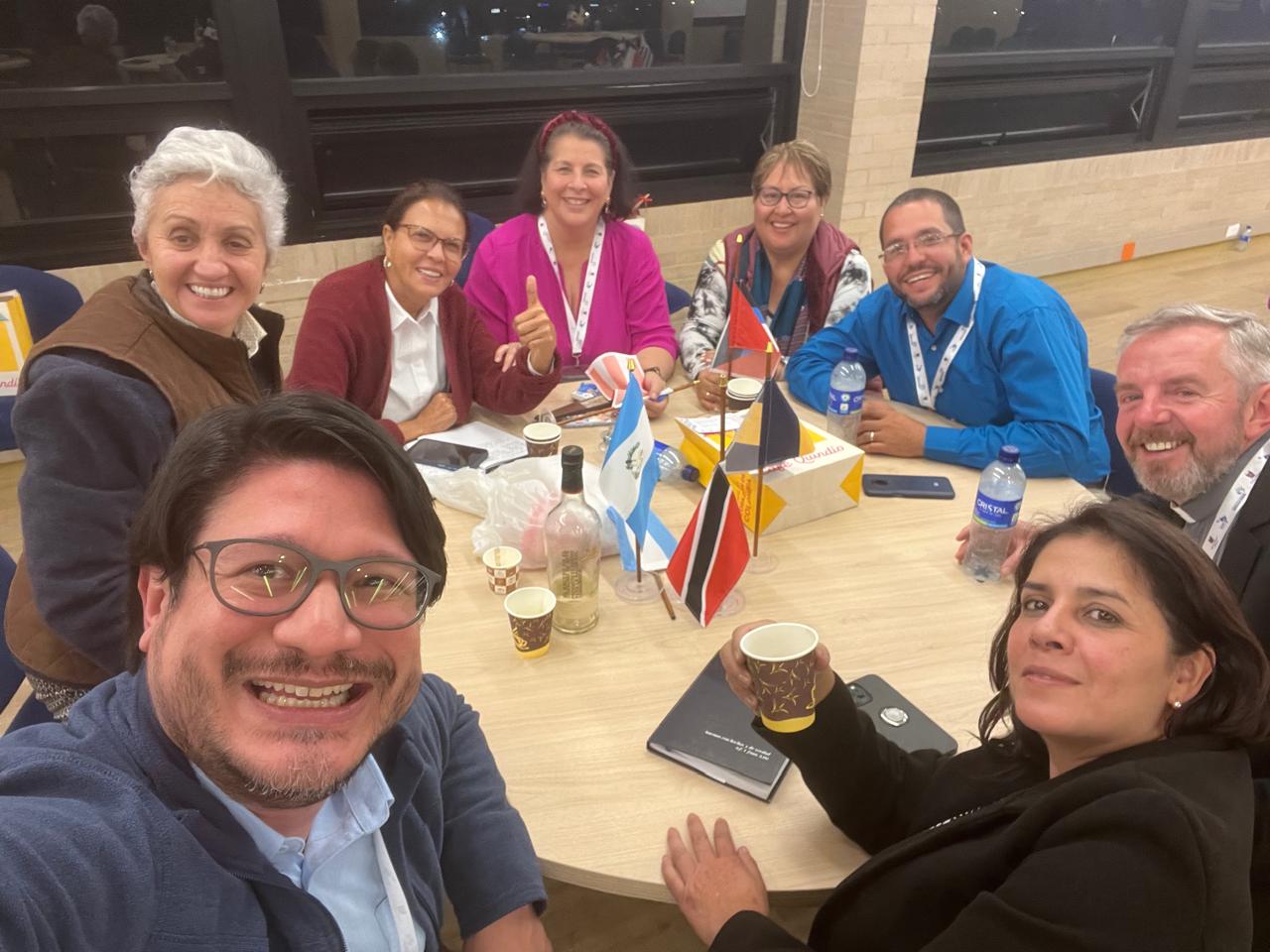
The second milestone took place in 2024 in the city of Bogotá, Colombia. This space allowed for a review of the progress made since the birth of the organization and to strengthen the ties between the Episcopal Conferences.
During the working sessions, the persistent difficulties in each territory were analyzed. The delegates delved into the need to structure more professional, stable, and human dignity-centered institutional responses.
The meeting in Colombian territory transformed the initial willingness to cooperate into a stable dynamic of joint work. The network strengthened its corporate identity and optimized the distribution of training protocols.
Projection in the Dominican Republic
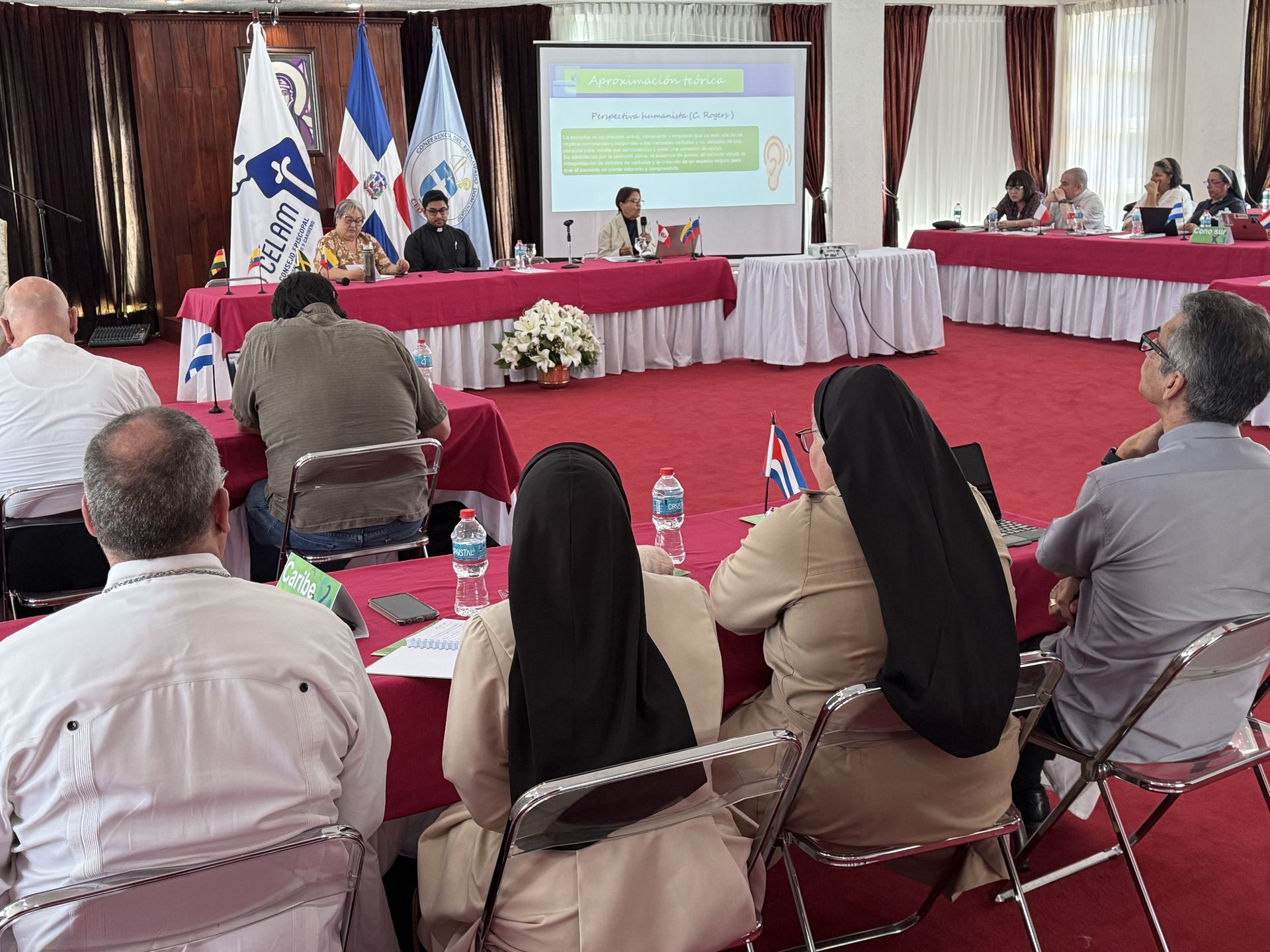
The third milestone took place in 2025 in the Dominican Republic. This meeting marked a new stage aimed at deepening structural issues such as transparency, accountability, and support for victims.
Participants evaluated the contributions of the Synod and their direct relationship with institutional security. In this context, Brassesco noted that such measures "should not be understood solely as administrative obligations, but as concrete expressions of pastoral responsibility."
The conclusions of this meeting drove a profound transformation in the community mindset, linking ecclesial management with rigorous ethical principles and constant oversight.
Cycle of virtual discussions
As a fourth milestone, the network has been developing throughout this year a cycle of virtual discussions based on the synodal document. These spaces allowed for the dissemination of training content to a broader audience across the continent.
The meetings addressed three essential axes: administrative transparency, empathetic listening, and community paths of reparation. These activities strengthened the commitment of pastoral agents to prevention.
The ongoing work of the organization demonstrates that protection requires permanent processes of institutional conversion and specialized training in each parish community.
To learn more about the campaign, download the following bulletin:
BULLETIN-1 - A story built together-Care Unites Us- (1) (1).pdf