Polluted rivers, degraded lands, and affected indigenous communities are part of the crisis that illegal mining, mercury pollution, and illicit economies are causing in Guainía, according to Monsignor Joselito Carreño Quiñones, bishop of the Apostolic Vicariate of Inírida, in the far southeastern corner of Colombia.
In a conversation with ADN Celam, Monsignor Carreño emphasized that protecting Guainía requires comprehensive solutions to safeguard ecosystems, guarantee rights, and pave the way for sustainable development in its communities.
Monsignor Carreño’s reflection coincides with the World Day of Prayer for the Care of Creation, which every September 1 calls on the Church to renew its commitment to the planet and marks the beginning of the Season of Creation, which runs through October 4. This year, Leo XIV calls for “forging plows” from swords—an image that proposes transforming scenes of violence and destruction into opportunities to build peace and protect our Common Home.
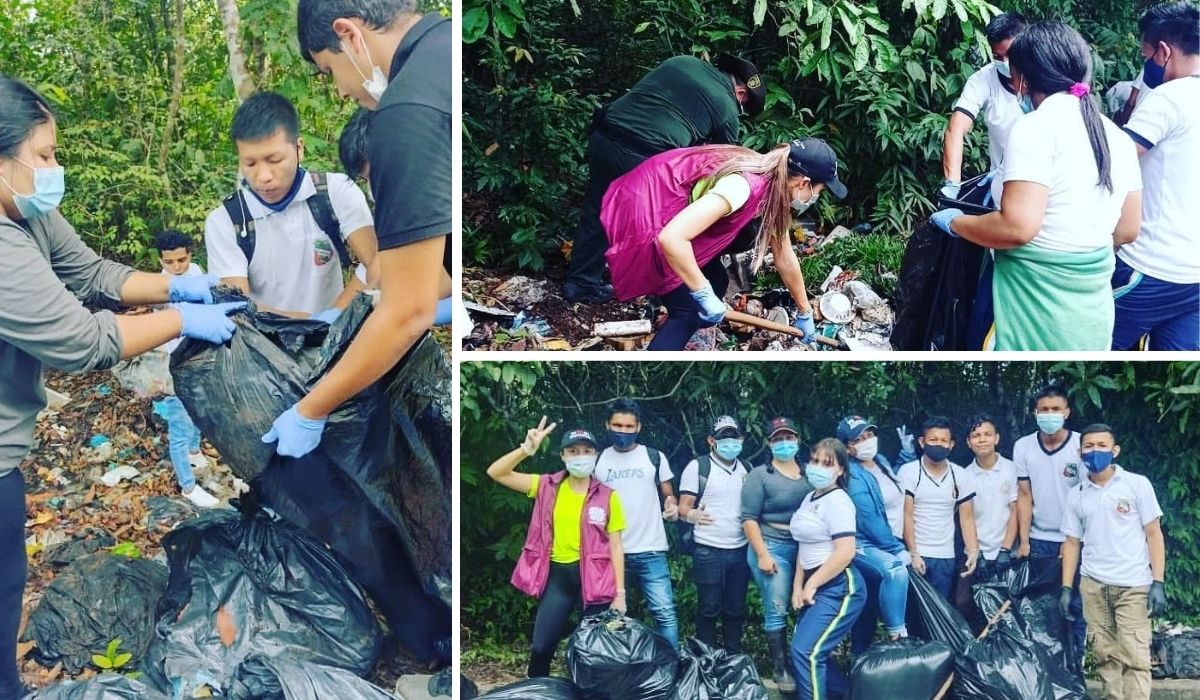
Mining that destroys the territory and the social fabric
In a region characterized by its rivers and vast rainforests, Monsignor Carreño identifies illegal mining as one of the greatest environmental threats. He speaks of “illegal and illicit mining” for gold and coltan and of the growing pollution of watersheds with mercury and other heavy metals.
According to Monsignor Carreño, environmental degradation has direct consequences on the social life of communities. “This socio-environmental crisis does not occur in isolation,” he said, linking it to the fragmentation of the social fabric, the breakdown of families, and the presence of armed groups that engage in extortion, as well as to the rise of phenomena such as small-scale drug trafficking, human trafficking, and alcoholism.
The impact also affects the food security of communities and the ecological balance of the region. For Monsignor Carreño, it also constitutes a threat to our “Common Home,” the protection of which has been one of the main calls of *Laudato Si’*.
The consequences of illegal mining hit indigenous communities—which are closely tied to the Inírida, Guainía, and Atabapo rivers—particularly hard. “Illegal mining is poisoning the veins of our Amazon,” observed Monsignor Carreño, warning that mercury jeopardizes the quality of the water and the fish that serve as an essential source of food for families.

Defend life and indigenous culture
Monsignor Carreño also warned that the impact of illegal mining goes beyond environmental concerns and affects young people in particular. In his view, this activity offers “quick and deceptive money” that ultimately leads them into alcoholism, drug addiction, dropping out of school, and abandoning their ancestral traditions.
He also stated that the impact on the region goes beyond river pollution. Deforestation, riverbank erosion, and the alteration of natural river channels are damaging critical ecosystems, with consequences that affect the environmental balance of the entire Amazon region and extend beyond the borders of Guainía.
Leo XIV’s call to “forge plows” from swords takes on a concrete meaning in Guainía, where illegal mining and illicit economies threaten the territory and its communities. For Monsignor Carreño, the solution lies in “transforming the instruments of death, greed, and violence into tools for life, peace, and sustainable, holistic development.”

Alternatives for a just transition
Given this situation, Monsignor Carreño is committed to strengthening small-scale farms and reforestation efforts and promoting sustainable production alternatives such as cacao, açaí, wild cassava, beekeeping, and community-based ecotourism. He argues that this transformation also requires environmental and intercultural education, spaces for dialogue, and the empowerment of traditional authorities.
“The region’s wealth,” he argued, should be directed toward “health, quality education for young people, and basic sanitation,” rather than fueling activities that destroy ecosystems and exacerbate inequality.
The prelate called for a comprehensive state presence in Guainía—one that goes beyond a military response and guarantees health care, intercultural education, connectivity, and basic services. He also called for effective measures to combat the use of mercury and to take action against the major financiers of illegal mining, without criminalizing the communities that, driven by poverty, end up becoming involved in these economies.
Finally, he called for respect for the autonomy of indigenous peoples and for prior consultation, as well as effective protection of strategic environmental areas such as the Inírida River Delta. He asked society and the international community to assume their responsibility toward the Amazon and to support the communities that are developing sustainable economic alternatives to protect the territory.
He stated that the Vicariate has already launched a training program for the indigenous peoples within its jurisdiction on socio-environmental stewardship, inspired by *Laudato Si’*, *Querida Amazonía*, and the conclusions of the Synod for the Amazon.
Subscribe for free to our Whatsapp channel https://bit.ly/4hbWWN0
Discover the new 2026 offer of courses, diplomas, and degrees at Cebitepal https://bit.ly/4aHAue1
Because we must care for those who protect creation, the podcast Life Hangs by a Thread arrives https://bit.ly/46cGUiB