
The needs of the most vulnerable sectors led representatives of the Catholic Church and the Paraguayan government to sit down for talks this Friday, August 14, to discuss the social challenges facing the country.
The government initiative sought to hear about the Church’s experience in the region and the needs that its pastoral workers know firsthand. According to the press release issued by the parties, the meeting fostered a dialogue between community experience and public administration.
The population’s health needs, the challenges posed by climate emergencies, environmental protection, and the situation of indigenous peoples took center stage during the event.
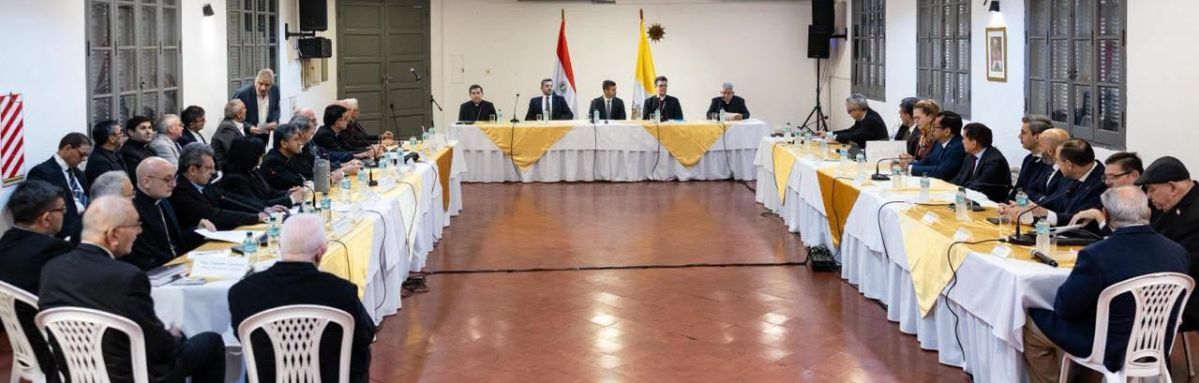
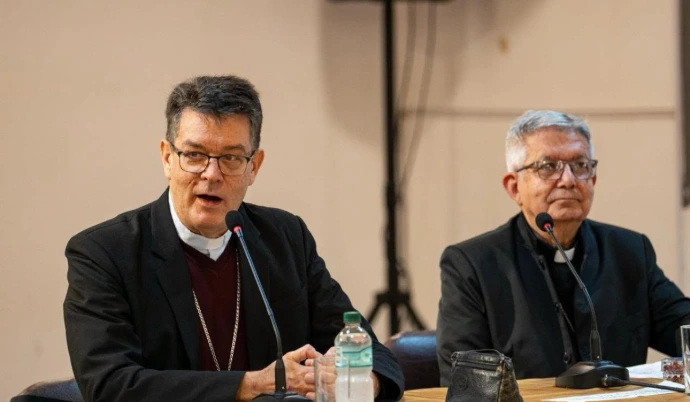
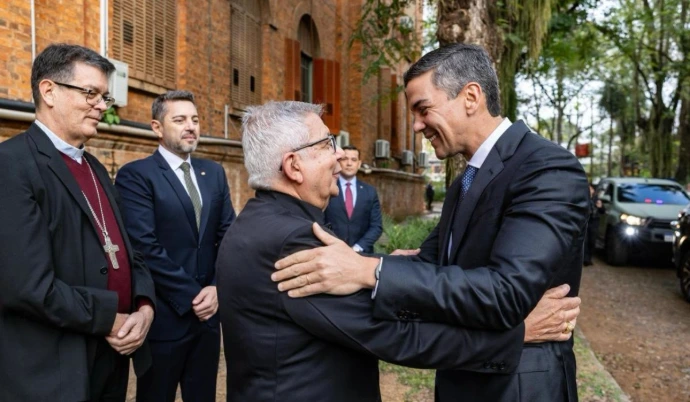
The meeting was attended by Monsignor Pierre Jubinville, Bishop of San Pedro and president of the Paraguayan Episcopal Conference; Cardinal Adalberto Martínez, Archbishop of Asunción; and Monsignor Vincenzo Turturro, Apostolic Nuncio. Representing the government were President Santiago Peña, Vice President Pedro Alliana, and other national officials.
Health and care for the most vulnerable communities
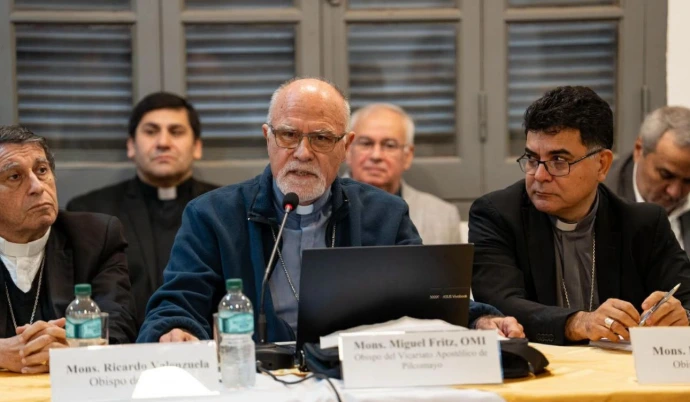
The realities that the Church addresses daily in the communities were also brought to the dialogue table with the government. During that exchange, difficulties in accessing health care and the demands of indigenous peoples took on particular significance.
Ongoing contact with communities allows the Church to gain firsthand knowledge of situations that require a response from the government. In the case of indigenous peoples, the bishops highlighted the need for policies that address their needs while respecting their identity and cultural diversity.
Government officials outlined the measures being implemented on various fronts, including security, land regularization through INDERT, strengthening the hospital network, and responding to weather events.

Environment and indigenous peoples, among the pending challenges
The report presented by the Government also highlighted the significant challenges that remain to be addressed, including access to health and the development of comprehensive responses for indigenous peoples.
The conversation also addressed environmental issues and their impact on the population, particularly on those with fewer resources who face greater risks as a result of the deterioration of their environment.
The meeting is taking place in a particularly significant year for the Paraguayan Church, which has dedicated 2026 to the Common Good. Under the motto “Feed them yourselves,” the CEP seeks to foster greater solidarity and commitment toward the people and communities facing the greatest hardships.

A commitment to keep the channels of dialogue open
Monsignor Pierre Laurent Jubinville, president of the CEP, emphasized the importance of ensuring that the authorities are directly informed of the communities’ needs and concerns. The bishop also expressed his hope that this forum for dialogue would remain open.
The government highlighted the contribution that the Church’s experience can make in gaining a firsthand understanding of the needs of communities. These opportunities for dialogue between the parties aim to help shape public responses that are more attuned to the realities of the population—especially the most vulnerable.
You may be interested in: Bishops of Cali and Quibdó denounce that the earthquake worsens abandonment and impacts vulnerable communities in Colombia
Subscribe for free to our Whatsapp channel https://bit.ly/4hbWWN0
Subscribe for free to our Whatsapp channel https://bit.ly/4hbWWN0
Discover the new 2026 offer of courses, diplomas, and degrees at Cebitepal https://bit.ly/4aHAue1
Because we must care for those who protect creation, the podcast Life Hangs by a Thread arrives https://bit.ly/46cGUiB