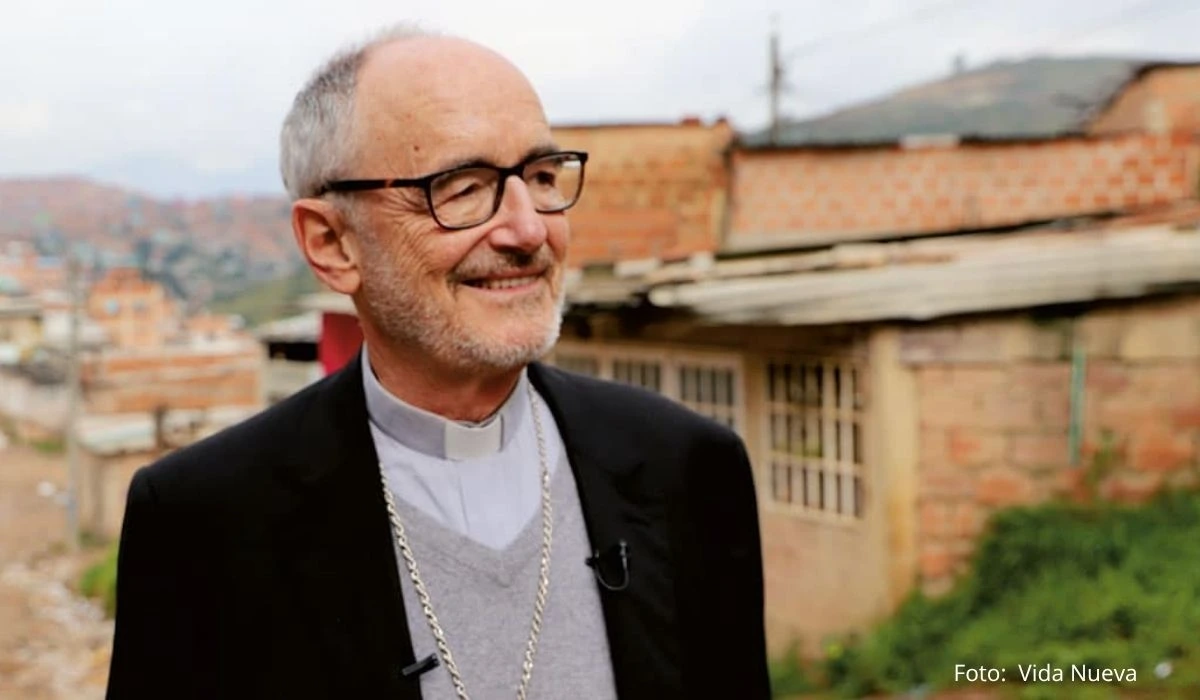
The case of Juan Antonio López allows Cardinal Michael Czerny, prefect of the Dicastery for the Service of Integral Human Development and Luca Colacino, linked to the Pontifical University of Saint Thomas Aquinas in Rome, to reflect on the pastoral mission of the Church in contexts of conflict over natural resources, from accompanying communities to defending justice and creation.
The article warns that the complexity of conflicts over natural resources exceeds exclusively legal, economic, or institutional responses and also demands “moral, cultural, and pastoral” actions alongside vulnerable communities.
The case of López is presented in the context of Latin American conflicts associated with extractivism, ecological degradation, and violence against environmental defenders. The study emphasizes that the defense of creation cannot be separated from justice and the construction of a “just peace.”
The testimony of Juan Antonio López
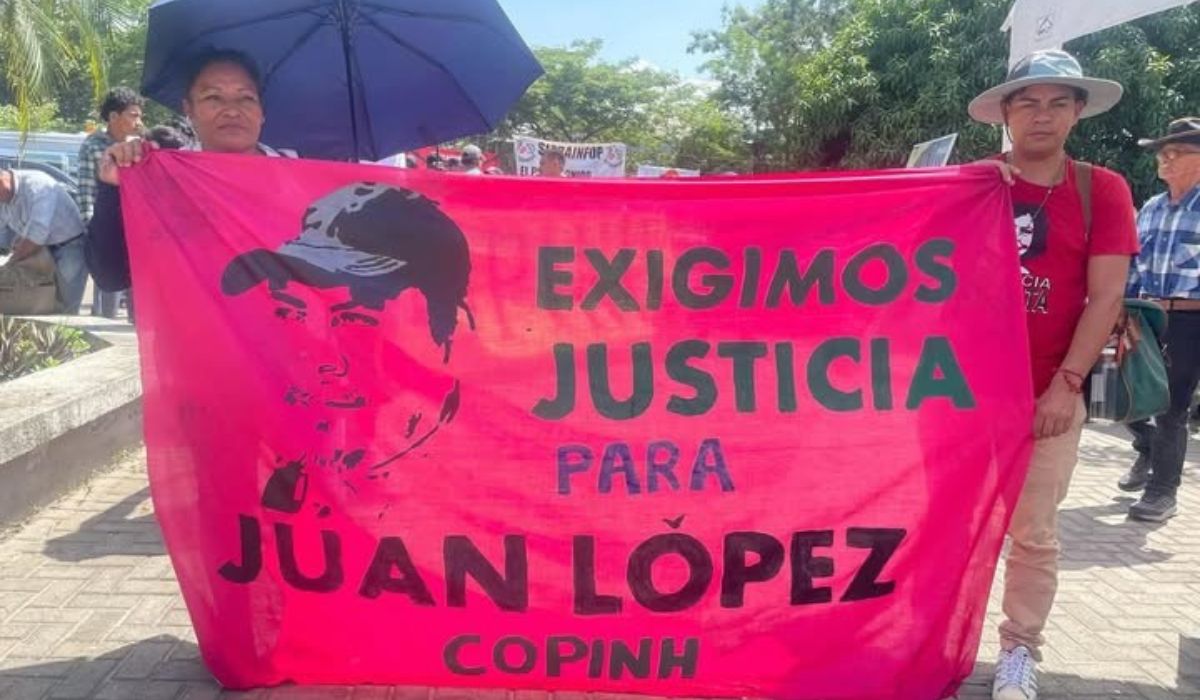
Juan Antonio López lived his faith through community service and the defense of creation. As a delegate of the Word, social action coordinator of his diocese, and member of the Mesoamerican Ecological Church Network (Remam), he developed a leadership that, according to the study, was essentially "pastoral".
The conflict over natural resources had tangible consequences for the communities. According to the study, in 2018, water became unusable for some 50,000 residents following the construction of a road linked to mining operations. The reaction of those who defended access to water included “criminalization,” imprisonment, and a growing campaign of intimidation and threats.
The threats against López were not new. Since 2023 he had precautionary measures due to situations of harassment, surveillance, and threats. Three days before his murder, he rejected an offer to leave the movement and continue with his commitment. On September 14, 2024, after leading the liturgy of the Word, he was murdered by gunfire while traveling in a vehicle with his family and pastoral companions.
A Church that accompanies and denounces
The article states that the Church's response to socio-environmental conflicts cannot be limited to general calls. Its task is to exercise a "service and close accompaniment," to remain alongside the communities, to support their efforts for justice and to raise their voice against the structures that generate environmental harm and exclusion.
The article states that having protection norms is not enough when institutions fail to make them effective. The State must protect the population against abuses, and companies are called to respect human rights; however, López's experience highlights a "critical gap between normative responsibility and lived reality."
The authors challenge a view of development focused exclusively on economic growth and call for placing human dignity at the forefront. “Development should not be understood solely in economic terms, but in a fully human way,” they note, drawing on the teachings of John Paul II. From this perspective, the exploitation of natural resources that leaves the poorest sectors behind cannot be called progress, but rather injustice.
Cultural transformation for a just peace
Additionally, they propose to address environmental conflicts through a dialogue that allows for confronting the different values and interests at play. In the face of a vision that reduces development to economic benefit, it warns about the “idolatry of the market” when everything, including the person and nature, ends up being treated as a commodity. In this scenario, the Church is called to defend the common good and to prevent profit from being the only criterion for deciding on territories.
The deterioration of nature, the article points out, also reflects a crisis in the relationship between humans and creation. In line with Laudato Si’, it states that “everything is interconnected” and that protecting creation is “inseparable from justice, fraternity, and fidelity to others.” Therefore, the authors call for a cultural and spiritual transformation that places responsibility and the common good back at the center.
In conclusion, the study highlights that parishes and local communities have a decisive role in the Church's response to conflicts over natural resources, accompanied by dioceses and other ecclesial instances. The proposed path is clear: “to walk with the poor, listen to the earth, and act with love”. López's testimony represents, for the authors, a call to strengthen a Church close to communities and committed to justice, the defense of creation, and the building of peace.
The article "The Church and Pastoral Theology in Conflicts over Natural Resources: A Case Study of Juan Antonio López, a Catholic Environmentalist Leader Murdered in Honduras," written by Cardinal Michael Czerny and Luca Colacino, will be published soon in the LOGIKÉ Research Journal of the Scientific Services Directorate of the University of the East of El Salvador.
Juan-Lopez-Article Cardinal CZERNY.pdf
Juan-Lopez-Article Cardinal CZERNY.pdf
Subscribe for free to our Whatsapp channel https://bit.ly/4hbWWN0
Discover the new 2026 offer of courses, diplomas, and degrees at Cebitepal https://bit.ly/4aHAue1
Because we must care for those who protect creation, the podcast Life Hangs by a Thread arrives https://bit.ly/46cGUiB