In connection with the Latin American Day of Solidarity with People Experiencing Homelessness, observed on August 19, Father Carlos “Charly” Olivero, a leading advocate for this pastoral ministry in Latin America, calls on the Church and society to strengthen ties, recognize the dignity, and promote the active participation of those living on the streets.
In an interview granted to ADN Celam, Father Charly Olivero invites us to view homelessness through the stories of ruptures, wounds, and loneliness that those who experience it go through. In light of this reality, he suggests that the Church's response must go beyond assistance and begin with meeting and building connections.
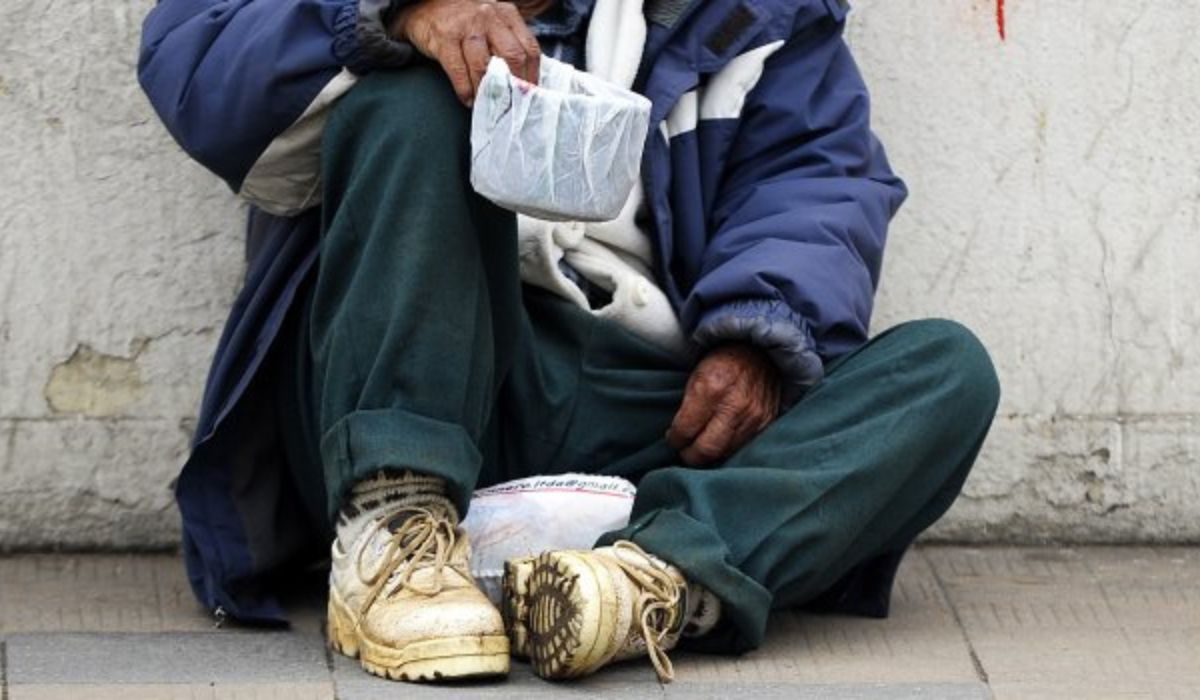
“A person who ended up homeless is a person who has been cutting all their connections”, he explains. For the priest, this profound orphanhood may be related to mental health issues, economic difficulties, and family breakdowns, wounds that, in turn, can further deteriorate the person's life and mental health.
“A person who ended up homeless is a person who has been cutting all their connections”, he explains. For the priest, this profound orphanhood may be related to mental health issues, economic difficulties, and family breakdowns, wounds that, in turn, can further deteriorate the person's life and mental health.
Building family and reconstructing connections
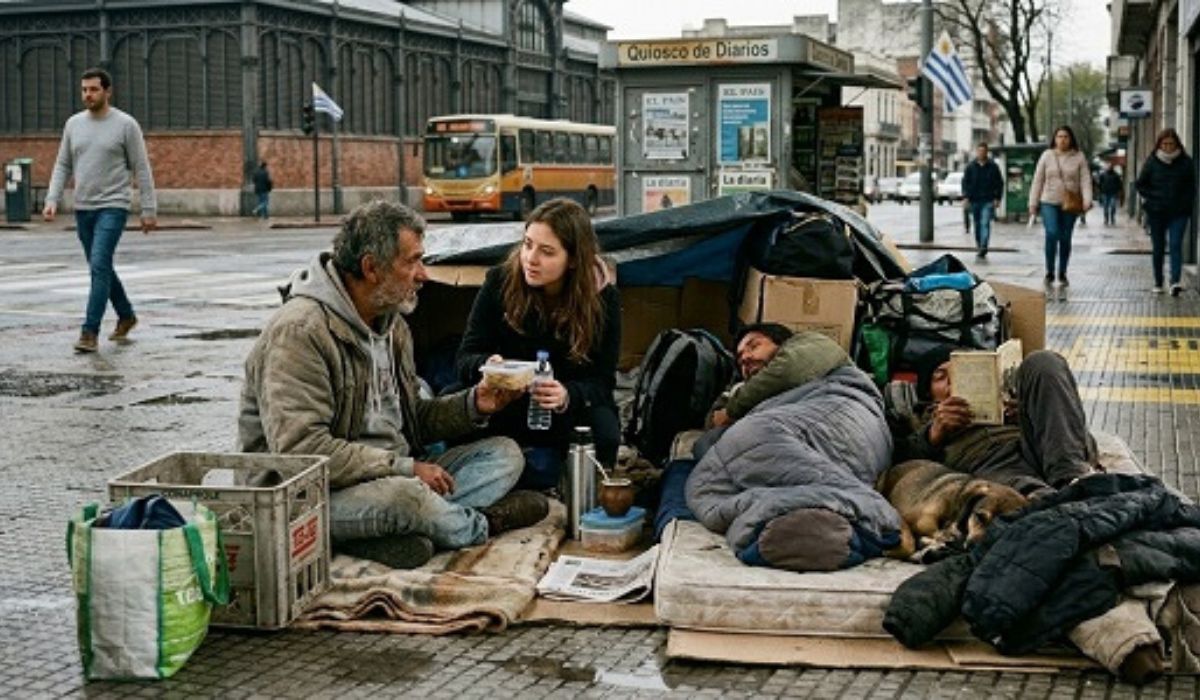
Faced with this reality, the priest believes that the Church is called, above all, to “build a family,” recognizing those living on the streets as brothers and sisters. “We have to embrace them, welcome them, and form a bond with them,” he says, noting that this is one of the main pastoral challenges.
The Argentine priest believes that this encounter is the first step toward changing our perspective and recognizing the agency of those living on the streets, so that people are no longer seen as simply “lying there.” By reaching out, listening, and building connections, we discover a person with a story, feelings, abilities, and the potential to forge their own path.
This shift in perspective also allows us to recognize each person’s abilities and potential. For Olivero, assistance offered from a position of privilege may address an urgent need, but it does not always help the person move toward greater autonomy. “People living on the streets are also the architects of their own path,” he argues.

A reality that demands networking
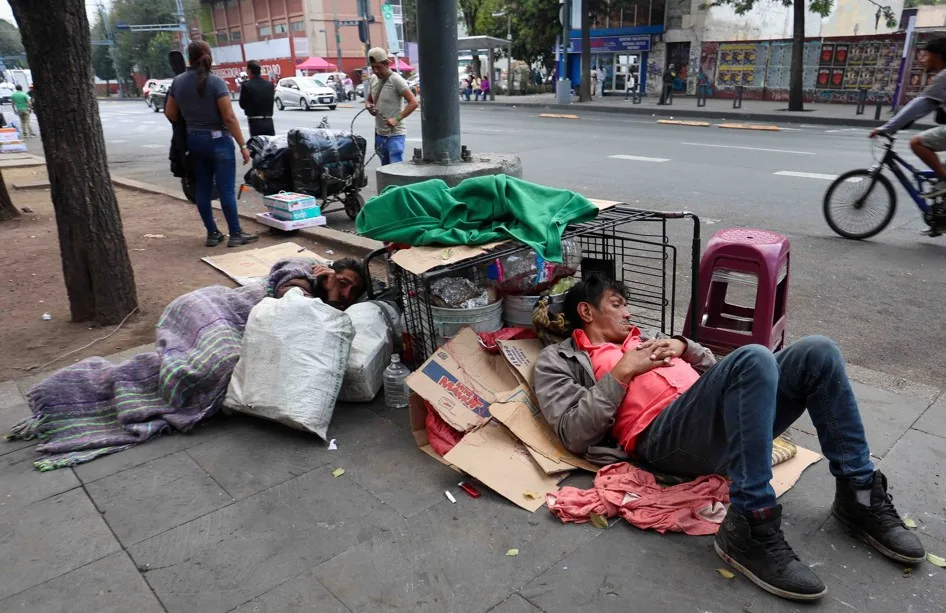
According to the priest, the rise in homelessness reflects a housing crisis affecting cities throughout Latin America and the Caribbean. The difficulty in renting, unstable incomes, and lack of access to decent housing have exacerbated a situation that now affects more people than it did two decades ago.
Olivero believes that no one should face this reality in isolation. That is why he emphasizes the value of bringing together communities and pastoral ministries that work with people experiencing homelessness. “Networking allows us to make sense of things, interpret reality together, discern together, and seek the best paths forward,” he explains, convinced that sharing experiences helps us better understand an issue that affects the entire region.
The executive highlights the work of the Pastoral do Povo da Rua in Brazil as a model for promoting the active participation of people experiencing homelessness in the development of public policies. He also commends the Brazilian Episcopal Conference for making the issue of housing the focus of its solidarity campaign, thereby helping to shed light on one of the structural causes of this reality.

Protagonists, not passive recipients
For Father Charly, this event represents, above all, an opportunity for the Church itself to reevaluate the way it reaches out to people experiencing homelessness. Before pointing society in the right direction, he believes it is necessary to foster a pastoral conversion that arises from encounter and a profound shift in perspective.
“The first thing the Church must do is not treat this issue as peripheral,” says Father Charly. For him, recognizing the dignity of those living on the streets requires that parishes, schools, and communities create spaces for encounter, welcome, and support, making them feel that they, too, are part of the Church’s “we.”
The priest adds that opening the Church’s doors to those living on the streets also means reminding society that no one can be considered an outsider. “Our brothers and sisters who are living on the streets are part of our social community; they, too, are citizens; they, too, are people just like anyone else,” he says.
The challenge, Olivero concludes, is to move from rhetoric to concrete solutions. A Church that reaches out, listens, and accompanies—and that recognizes the central role of those living on the streets—can offer a credible witness and help rebuild bonds where exclusion and loneliness have broken them.
You may be interested in: Colombia: Cardinal Rueda leads a mission of priests to communities affected by the earthquake
Subscribe for free to our Whatsapp channel https://bit.ly/4hbWWN0
Subscribe for free to our Whatsapp channel https://bit.ly/4hbWWN0
Discover the new 2026 offer of courses, diplomas, and degrees at Cebitepal https://bit.ly/4aHAue1